
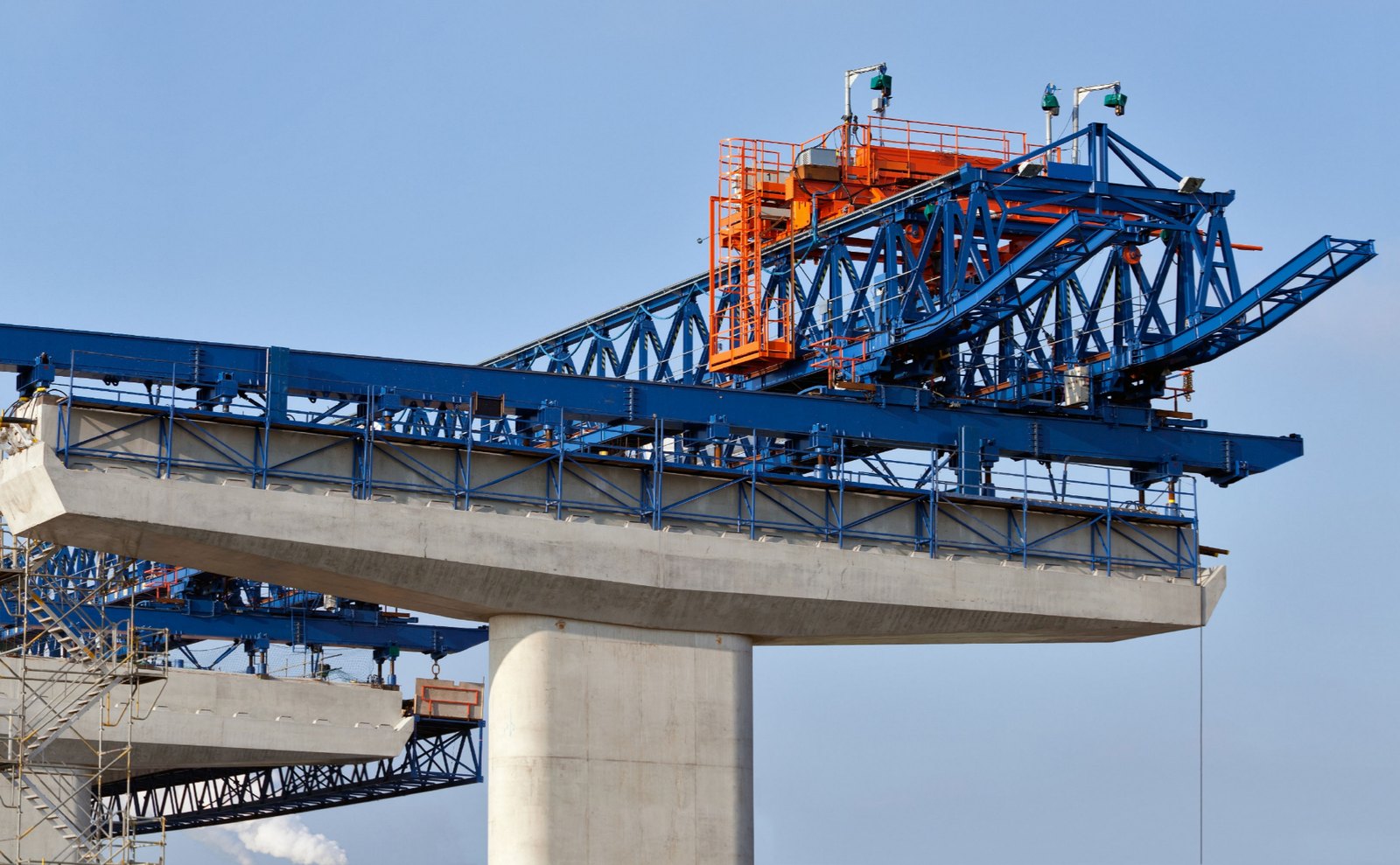
STAI’s core pillars—airports, manufacturing, education, and the innovation platform—depend on the physical systems that connect them. Without reliable transportation, sufficient power, broadband access, and attainable housing, even the strongest economic strategy can fail. This section outlines the infrastructure required to keep the entire initiative functioning as a unified, resilient system
The STAI Infrastructure
Four connective systems fall within the scope of STAI’s infrastructure plan. First and most developed is transportation: the Southern Tier Skyway Connect, a zero-fare public shuttle network of eight routes — four local routes serving the residential corridor and four regional spokes reaching Binghamton, Oneonta, Delhi, and Cooperstown — all radiating hub-and-spoke from Vaughn North in Sidney. Second is broadband and fiber, framed as an eastward extension of the Southern Tier’s existing network. Third is power grid capacity, the assessment of whether the regional grid can support the manufacturing cluster, electric aviation charging, and new housing loads simultaneously. Fourth is housing: new multi-family residential development built on a partial-self-generation design principle, owned by a development partner with STAI facilitating rather than owning.
A consistent principle runs through all four connective systems: STAI builds or owns as little of this infrastructure as possible. It coordinates, convenes, facilitates, and advocates — partnering with transit authorities, broadband carriers, utilities, and private developers — rather than becoming an infrastructure owner-operator. STAI owns only the bare essentials required for its own functions. Everything else is structured as a partnership.